
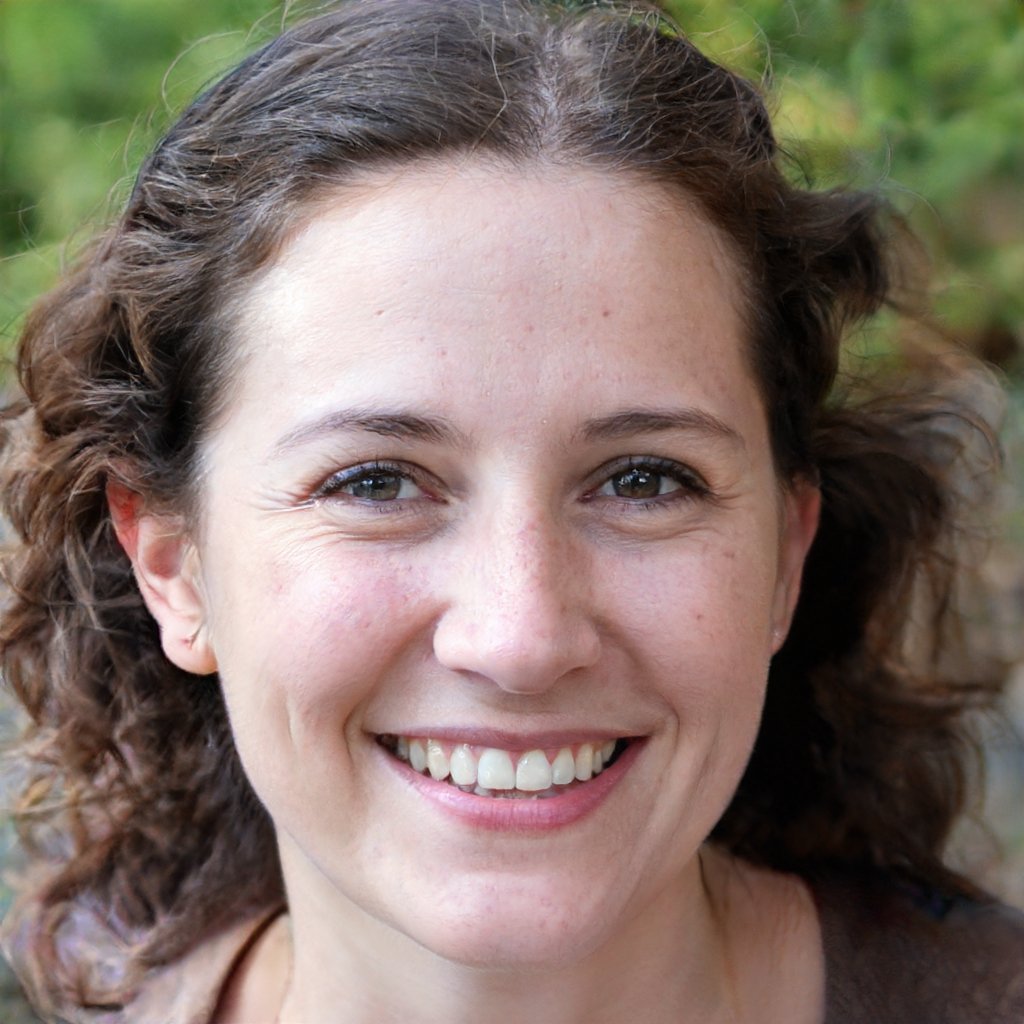
My name is Arlene, and I have worked the floor at the Blue Spruce diner right off Highway 71 here in Bemidji for twenty-two years. You get to know people when you pour coffee for them five days a week through every Minnesota winter and summer construction season. You learn how they take their cream, which grandkids just started kindergarten, and whether their knees act up when the barometric pressure drops off Lake Bemidji. Most days run together in a blur of scrambled eggs and ticket machine chatter, but some people anchor the room so steady you forget they are mortal until they are gone.
Walt Halvorsen was our main anchor at the Blue Spruce. Every single morning at 6:30 sharp, Walt walked in through that frosted glass door and took table 9. That was the corner booth right against the big picture window where he could watch the county flag whipping around on the pole by the highway. He was a veteran, Army, Vietnam, though he never brought it up unprompted in all the years I knew him. He wore a faded green canvas jacket with a zipper that stuck at the chest, and he always read the Bemidji Pioneer from front to back while he worked his way through his breakfast.
His order never changed in two decades. Two eggs over hard, wheat toast with grape jelly, and a bottomless black coffee that he nursed for two full hours. If a younger serviceman or an older vet walked in wearing a cap or a jacket with a unit patch, Walt would catch my eye from across the dining room and give a tiny, almost imperceptible nod of his chin.
That was my signal to move their ticket over to his check. Every single time without fail. If the kid tried to thank him or shake his hand, Walt would get this gruff look on his face and wave his hand dismissively over his newspaper. “Just drink your coffee,” he would tell them, and go right back to reading the sports page.
I asked him about it once back when my husband Cal was still alive and our youngest was finishing high school. I stood there with my pot of decaf and asked him why he kept paying for strangers he didn’t even know. Walt set his heavy ceramic mug down on the formica table, looked out at that flag for a long, quiet minute, and gave me an answer I never forgot.
“In ’71 I came home to nothing and no money and a lot of folks looking through me like I was glass,” he told me, his voice rough as gravel. “And one morning in a diner not too different from this one, some fella I never met paid for my breakfast and never said a word. I’m just keeping the tab open, Arlene.”
I carried those words with me through all the years after Cal passed away and the diner changed hands twice. Keeping the tab open. It became my own private rule for how to treat people who looked tired or beaten down by the world. But then March rolled in with a biting wind and took Walt right out from under his green jacket. It happened fast, just a sudden chest pain on a Tuesday morning at home, and by Sunday his obituary was in the Pioneer.
The morning after the funeral, I went to wipe down table 9 and I just stood there with my rag in my hand for ten minutes. The stool felt wrong. The window looked empty without him behind it. I figured that was the absolute end of the free coffees, because Walt lived alone and didn’t talk much about any family besides an estranged boy who moved out west back in the nineties and never came back.
But two days later, a sharp-looking woman in a tweed blazer named Ms. Ferris walked into the Blue Spruce and asked for our manager. She was Walt’s lawyer, and she had a file folder tucked under her arm. She told us Walt had left a small, prepaid account with one very specific instruction. We were to keep buying coffee for every single veteran who walked through our doors for one full year, and we were not allowed to tell them who was paying for it.
So we did. All through the thaw of spring and the busy summer lake tourist season, every time a vet sat down, I would set their mug down and say, “That one’s on table 9, hon.” And I would watch their faces do that complicated little thing when they realized someone was looking out for them. Most vets just got quiet and nodded. One old Marine took his wool cap right off his head and held it against his chest like he was standing in church. I thought we were just honoring a good man’s memory, and I was proud to be the one keeping his seat warm.
Then last Tuesday came around, right around 6:30 in the morning, when the sky over the highway was still the color of a wet slate shingle. The little brass bell above the front door jangled, and a man about fifty-five walked in out of the frost. He wasn’t anybody I had ever laid eyes on in Bemidji before. He wore a heavy leather work coat that smelled faintly of pine and diesel fuel, and he had dark circles under his eyes that looked like they had been painted on with soot. But there was something about the shape of his ears, and the stubborn set of his jaw, and the way he stopped dead still just inside the threshold that made my breath catch in my throat.
He didn’t wait for me to grab menus or point toward the empty booths by the kitchen. He walked right past the counter, past the regulars reading their papers at the long table, and he pulled out the chair at table 9. He sat down right in Walt’s seat, resting his rough hands flat on the scarred laminate table just the way his father used to do every single morning. He stared out the window at the flag for a long time, his throat working as he swallowed hard against whatever was stuck in it.
I didn’t rush over right away because my legs felt suddenly heavy, like I was wading through wet concrete. When I finally walked up with my coffeepot, he didn’t even look up at me at first. He just stared straight ahead at the glass where the reflection of the highway trucks rolled past.
“Menu?” I asked, my voice shaking a little more than I liked.
He shook his head once, slow and deliberate, and finally raised his eyes to meet mine. They were Walt’s exact eyes, tired and stubborn and carrying forty years of things left unsaid.
“Two eggs over hard, wheat toast, black coffee,” he said, his voice cracking right down the middle on the last word. “And Arlene? Put it on my tab. I’m going to be paying it for the next twelve months.”