
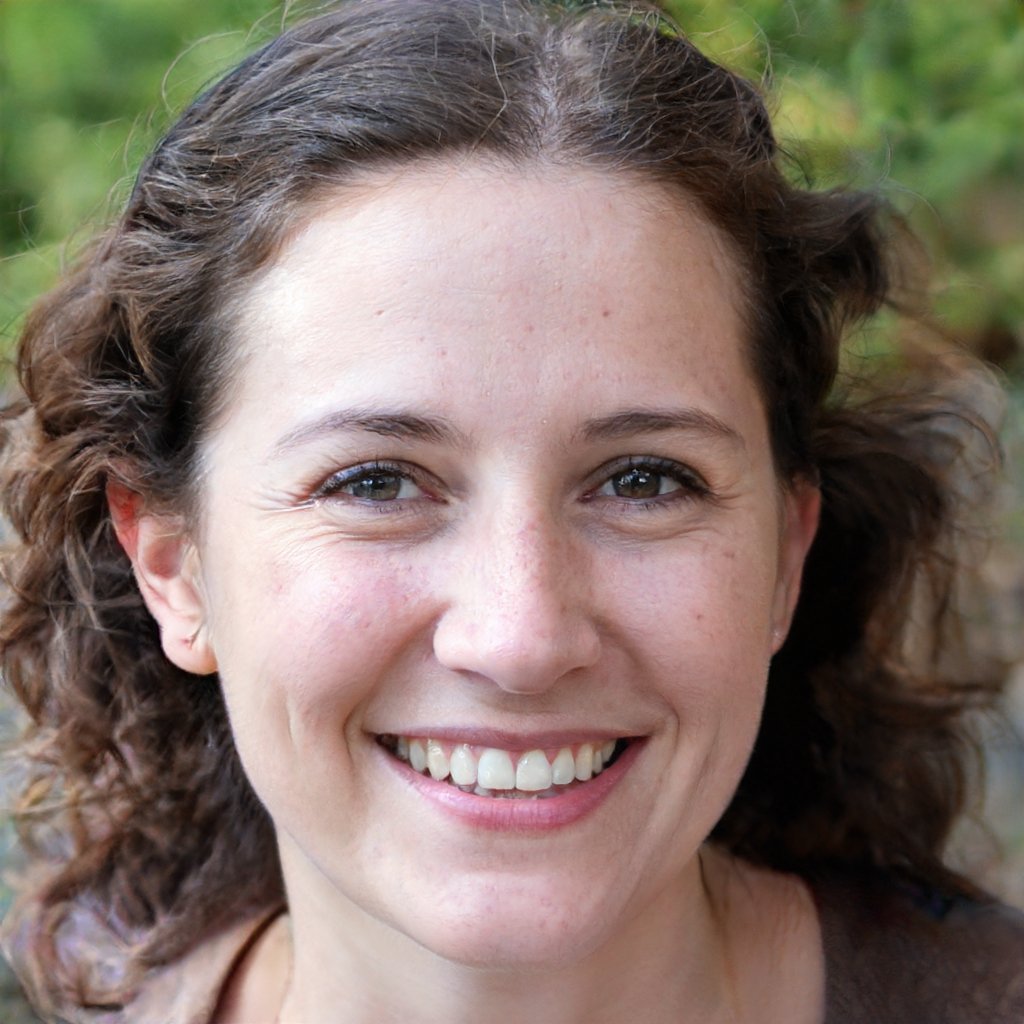
You can hate me for opening the motel door after twenty-seven years, because my husband was asleep nineteen miles away and the man outside was the one I never stopped looking for. Martin Vale left me in 1997 with a grocery list on the counter and no goodbye. He stood there thin, gray, and sick, and said, “I didn’t leave alone.” By midnight, his daughter was sitting across from me with a hospital bracelet on her wrist.
I have told myself many versions of this story where I behave better.
In some of them, I close the door. In some of them, I call my husband, Dennis, immediately and tell him the man who broke me has appeared outside a Super 8 in Springfield. But that is not what I did. I was there for a dental billing seminar. That sounds too plain for a secret this old, but life usually hands you your worst moments under fluorescent lights with stale coffee in the lobby.
Dennis stayed home because his knees hurt. We had been married eighteen years. He is a good man. That is not a small sentence, and I know it makes what I did look worse. Dennis takes my car to get the oil changed without me asking. He listens to my stories about difficult clients at the clinic without checking his watch. I have loved him in a steady, quiet way that doesn’t feel like poetry, but feels like a warm kitchen on a cold morning.
Martin was my first almost-husband. We were twenty-four, living in a duplex behind a laundromat, saving for a used couch. He left on a Thursday while I was at work. The grocery list on the counter said eggs, bleach, dog food. No note. For years I thought I had done something and forgotten it. I replayed every argument, every dinner, every time I was tired and short with him. That is one ugly thing abandonment does. It makes you your own suspect. You start hunting through your own memory for the crime you must have committed to make someone pack a duffel bag and vanish while the laundry cycle was still spinning.
When he knocked on my motel door at 9:37, I knew his knock before I knew his face. Two quick taps. A pause. One more. My hand was resting on the plastic Gideon Bible on the nightstand when I heard it, and my fingers just froze right there.
I didn’t think. I just walked across that thin commercial carpet and turned the deadbolt.
He had lost weight in a way that made his clothes hang wrong. His hair was white at the temples. He held a pharmacy bag in one hand and a folded manila envelope in the other. I should have asked how he found me. I should have slammed the oak-veneer door right into his gaunt face and locked it back up. Instead I said, “Are you dying?”
He smiled like that was fair. He said the line. “I didn’t leave alone.”
I gripped the door until the metal edge pressed into my palm. A young woman stepped out from behind him. Mid-twenties. Brown hair. My mouth. That was the first thing I noticed, and I hated myself for noticing it. She wore a hospital bracelet from Mercy. The plastic tag had been cut and taped back together like someone had taken it off and changed their mind.
Martin said her name was Julia. I said, “Whose daughter is she?” Nobody answered fast enough.
The room smelled like motel carpet, bleach, and the microwaved popcorn someone had burned down the hall. I remember that because I kept focusing on it so I would not start yelling. Julia sat on the edge of the bed. She looked as scared of me as I was of her. Her knees were pressed together, and she kept smoothing the hem of her cardigan over and over with shaking fingers.
Martin tried to talk. He said he was sick. He said he had been sick a long time. He said his mother had done things I never knew about. He said he had proof. I told him I didn’t want the romantic version. I told him I wanted to know why he left his shoes in the hallway and his car keys on the counter just to disappear into thin air.
He coughed into a napkin and there was a small red dot on it. That red dot did more to quiet me than anything he could have said. It was real. The sickness was real. Then Julia reached into the envelope and pulled out a baby photo with my handwriting on the back. My handwriting. I had never seen that photo in my life. It was taken on a yellowed porch I didn’t recognize, a baby wrapped in a faded green flannel blanket that my own grandmother had sewn.
She looked at me and said, “Before he tells you why he left, you need to know who signed my birth papers.”
I stood there by the small desk with the sticky bottle of lotion on it, and the room felt like it was tilting sideways. “I didn’t sign anything,” I said. My voice sounded thin, like paper tearing. “I didn’t have a baby. I never went to a hospital. I would know.”
Julia didn’t blink. She reached back into that bulging manila envelope and pulled out a certified copy of a birth certificate from a county three hours north, dated six months after Martin packed his duffel bag. My maiden name was right there in the mother’s box. The signature at the bottom was mine, shaky and cramped, written in blue ink I hadn’t used since we lived behind the laundromat.
“You signed it at the county courthouse,” Julia said softly. “In the back office. With an attorney named Vance. You were twenty-four and living in a boarding house on 4th Street.”
“I lived in a duplex,” I snapped, my chest tightening until I couldn’t pull air down past my collarbones. “Behind the laundromat on Maple. With Martin.”
Martin finally sat down in the scratchy armchair by the window, his breath coming in shallow, whistling hitches. “You didn’t live there with me for the whole year, Darlene. You lost six weeks of that spring. Don’t you remember the black ice on Route 12? Don’t you remember the truck?”
The words hit the cheap wood of the dresser like gravel thrown against a windowpane. Route 12. The black ice. The delivery truck that had spun out and clipped the passenger side of my little red Civic while I was driving back from my sister’s place. I remembered the tow truck. I remembered the glass in my hair. But I had always been told I walked away with just a concussion and a bruised hip. That was what the hospital paperwork said. That was what my mother told me every time I brought up the headaches that lingered for months afterward.
“My mother told me I was fine,” I whispered, staring at the floor where a cigarette burn marred the loop of the carpet. “She picked me up from the clinic. She had my bag.”
“Your mother didn’t want the scandal,” Martin said, and his voice cracked right down the middle, dry and hollow. “She came to the hospital while you were still looped on painkillers. She told the doctors you were unmarried, unstable, and staying with an aunt out of state. She had the adoption papers ready before you even opened your eyes.”
I looked at Julia. I looked at her chin, the exact way her lower lip curved when she held her breath, the small freckle right below her left earlobe that matched the one my own sister had. The ground beneath the motel floor seemed to dissolve into nothing. All those years of hating Martin, all those years of believing he was just a coward who woke up one morning and decided I wasn’t enough, washed away into something infinitely worse. He hadn’t left me. My mother had taken him away from me, and then taken our child, using the fog of a concussion and a forged signature to wipe the slate clean while I was still sleeping off the morphine.
“She told me you packed up and went back to your hometown,” I said to Martin, tears finally breaking hot over my eyelids. “She told me you took your car and cleared your name off the lease.”
“She threatened to call the police and say I was preying on a minor because you were still twenty-three when we met,” Martin whispered, leaning forward with his elbows on his knees, his face buried in his trembling hands. “She said she would ruin my family, my job at the mill, everything. She gave me fifty dollars for bus fare and told me if I ever came back to the county, she’d make sure I spent the rest of my life behind bars.”
He dropped his hands and looked up at me, his eyes hollowed out by decades of guilt and the gray shadow of whatever disease was eating him from the inside out. “I didn’t leave because I stopped loving you, Darlene. I left because she told me it was the only way you and the baby would be safe from her.”
Julia reached across the small space between the twin beds and laid her hand on my arm. Her skin was warm. Her pulse beat right against my wrist where our fingers brushed. “He spent ten years trying to find a lawyer who wouldn’t take your mother’s retainer,” she said quietly, her own eyes bright with unshed tears. “By the time he tracked down the adoption file, the statute of limitations had run out on the fraud, and your mother had been in the ground for three years.”
The motel heater kicked on with a sudden, loud rattle that made us all jump. I stood there in the middle of that ugly room, surrounded by the smell of stale bleach and cheap carpet, realizing that my entire adult life had been built on a foundation of sand. Dennis was at home right now, probably turning off the kitchen light, checking the back door, wondering why his wife was taking so long at a dental seminar in Springfield. He was a good man. He didn’t know any of this. Nobody knew this.
I looked down at the baby photo in Julia’s hand, at my own handwriting on the back spelling out a date I had never lived.