
I spent the better part of my life looking at the door, waiting for a knock that I figured would never come. It was a stupid thing to hope for, especially when you are the one who opened the door and walked away first. I was seventeen when I sat in that hospital chair. The bill was $2,900. In 1986, that was a mountain of debt for a girl working part-time at a diner. My parents did not have a cent to spare, and they were very clear about what that meant for my future.
They said the baby would ruin everything. They said we could not afford another mouth to feed, not when we were barely keeping the lights on as it was. I did not even hold her. I was terrified of what would happen if I felt her weight in my arms, if I smelled her skin, if I looked into her eyes. I signed the papers while the ink was still wet on the admission forms, and I turned my face to the wall. The only thing I kept was a small square of film a nurse slipped into my Bible before they took her away.
For thirty-eight years, I looked at that photograph every single Sunday. It was just a blurry shot of a bassinet, taken from a distance, but it was all I had. I prayed over it. I asked God to make sure she was safe, that she was warm, and that she never felt like a mistake.
Most of the time, I told myself she was better off without me. I was a kid myself, barely able to take care of a cat, let alone a human being. But the guilt was a heavy, cold stone that lived in the center of my chest.
Last spring, I was sitting in the back pew of the First Methodist, minding my own business. A church volunteer named Martha, a woman who has been organizing the hymnals since the dawn of time, came up to me. She was holding an old, water-stained book. She looked at me with those watery, kind eyes and handed me a slip of paper. It had fallen out of the binding. It was the same photo I had tucked into my Bible for nearly four decades. I thought I had lost it years ago.
I stared at it. It was not just the photo. Someone had written on the back in thick, blue ballpoint pen.
It said, She has your left dimple. My heart stopped. I mean, my brain actually went quiet for a full minute. I knew my own face. I knew that dimple because I saw it every time I smiled at myself in the mirror. I pressed my thumb over those words, over the ink, and I felt the world tilt on its axis.
I did not wait for the service to end. I walked out into the parking lot, my breath coming in jagged little hitches. I drove home, but I did not go inside. I sat in my driveway for an hour, just holding that scrap of paper like it was a holy relic. I felt like a thief who had finally been caught. I wondered who had held that photo. I wondered who knew enough to write that note. And then, I wondered why they waited thirty-eight years to let it find me.
Three days later, I was in my kitchen. The house was quiet. I was making coffee, the routine of it keeping me from falling apart completely, when the doorbell rang. It was 10:42 in the morning. I was not expecting anyone. When I opened the door, a woman was standing on my porch. She was holding a $16 bouquet of carnations, the kind you get at the grocery store when you are in a rush. She did not say a word at first. She just stood there, her eyes scanning my face.
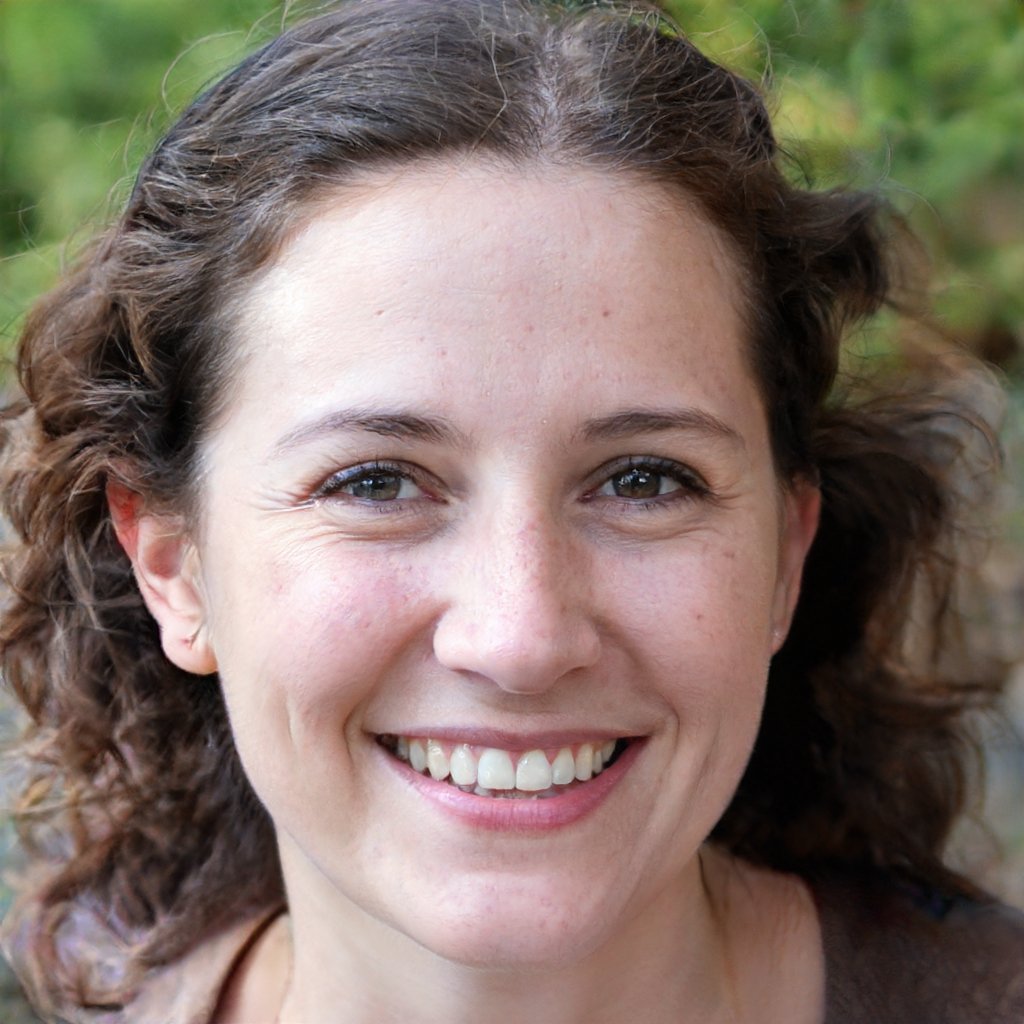
Then she smiled. It was the smile that broke me. She had the same left dimple. It was deep, like mine, and it showed up even when she was trying to keep her face neutral. She looked like me, but she had a hardness to her that I did not recognize. She stood there, her hands gripping the stems of the flowers so tight that the plastic wrap crinkled in the silence. I could not move. My feet were cemented to the floorboards.
She looked past me, into my hallway, as if she were checking to see if I was alone. Then she looked back at me. “I don’t want your money,” she said. Her voice was steady, but her hands were shaking. “I want to know why you did it.” I opened my mouth, but no sound came out. I was a seventeen-year-old girl again, signing papers in a cold, white room. I was the girl who thought she was saving a child from a life of poverty and shame.
“I was a child,” I finally managed to whisper. She laughed, but it was a dry, brittle sound. It did not have any humor in it. “You weren’t a child,” she said. “You were someone who made a choice.” She stepped closer, and I instinctively backed away. She dropped the flowers onto the welcome mat. They landed with a soft thud. “I grew up in a house with a man who wasn’t my father,” she said. “He didn’t want me there. He made sure I knew it every single day.”
I felt the blood drain from my face. I had imagined a life of luxury for her. I had imagined a family who fought over who got to hold her. I never once imagined a man who did not want her. “I didn’t know,” I told her. She looked at me with a look of pure, concentrated pity. “You didn’t look,” she corrected. She told me about the couple who adopted her. She told me the man was a drinker, a man who viewed her as a burden he had to carry for his wife.
“They told me my mother was dead,” she said. “They told me I was a mistake that needed to be kept out of sight.” I leaned against the doorframe, my knees giving out. All those years, I had spent my Sundays praying for her happiness, thinking I had done the right thing by giving her a fresh start. I had been living a lie, a beautiful, comforting lie that kept me from facing the truth of what I had really done.
She told me she found the photo in the hymnal because she had been searching for any sign of her origins. She had moved to town six months ago, working at the local library, and she had spent her lunch breaks going through old church records. She was looking for a name, a date, anything. She did not know my name until she found the note. She had been watching me for weeks. She had been standing in the back of the church, waiting to see if I was worth the effort of finding.
“You’re not a monster,” she said, and that hurt more than if she had screamed at me. She said it with such casual detachment that I felt like a stranger in my own life. “You’re just a person who made a decision and then hid from it.” She turned around, looking out at the street. A gray sedan was idling at the curb. She did not invite me to join her. She did not ask for a hug. She did not want a reconciliation.
She reached into her bag and pulled out a small, worn envelope. She held it out to me. Inside was a second photo, this one of a young woman standing in front of a garden, the same garden I had played in when I was a child. It was a picture of me, taken from a distance, probably when I was in my twenties. She had been watching me for a long time. She had been collecting pieces of me, piece by piece, like she was assembling a puzzle of a life she was never allowed to touch.
“I just needed to see if you were real,” she said. She didn’t look at me when she said it. She just stared at the house, her house, the one I had stayed away from because I was told it was the best thing to do. She wasn’t looking for a mother. She was looking for the ghost that had haunted her childhood. She was looking for the woman who had signed her away as if she were a stack of unpaid bills.
I watched her walk back to her car. She moved with a purpose that I never had at her age. She didn’t look back. She didn’t wave. She just got into the driver’s seat and pulled away, her tires crunching on the gravel. I stood on the porch for a long time, watching the dust settle behind her. I didn’t know what to do next. I didn’t even know if there was a next.
I went back inside and closed the door. I picked up the bouquet of carnations and put them in a vase, but they looked out of place in my kitchen. The house felt too big and too quiet. I sat down at the table and opened the envelope again. There was no note inside, just the photo of me in my mother’s garden. It was a reminder. A reminder that I had been there all along, living my life, while she was out there trying to find a reason to exist.
I finally understood then. I hadn’t given her away to save her. I had given her away to save myself the trouble. I had been so worried about being a burden to my parents that I had made her a burden to everyone she ever met. That was the truth of it. It wasn’t about money. It wasn’t about the $2,900. It was about the fact that I had never once tried to find her, and she had spent her whole life trying to find me.
I sat there until the sun went down. The house turned cold, and the shadows grew long across the floor. I thought about those thirty-eight years of Sundays. I thought about all the prayers I had said for a phantom. I hadn’t been praying for her. I had been praying for my own conscience. I had been trying to scrub myself clean, but the stain was still there. It had always been there.
The phone rang at 7:00, but I didn’t pick it up. I knew it wasn’t her. She didn’t want anything from me. She just wanted me to know that she existed, and that I couldn’t pretend she didn’t anymore. I walked over to the Bible on the mantle and took out the original photo. I put it next to the one she left for me. They looked the same, but they felt different. One was a wish, and the other was a reality I had ignored.
I don’t know what tomorrow looks like. I don’t know if she will ever come back. I don’t think she will. She got what she needed, and I am left with the silence she left behind. It is a heavier silence than the one I had before. It is a silence that has a face, and a name, and a left dimple that I will see every time I look in the mirror. I did not fix anything today. I just broke the only thing I had left: the lie that I was a good person. And honestly, that feels worse than any debt I ever owed.