
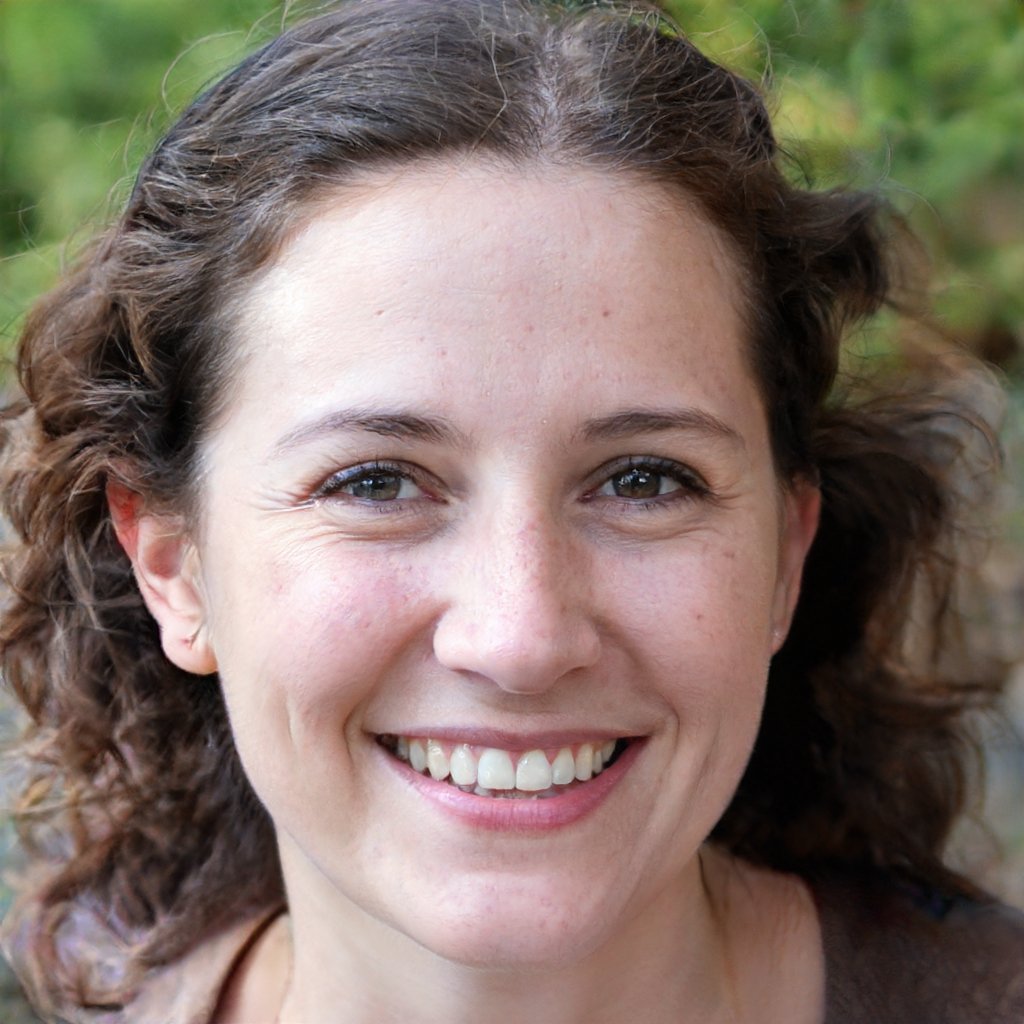
I walked into the break room at 10:10 on a Thursday morning with my stomach doing slow, painful rolls. My hands were damp, and I kept wiping them on the sides of my work trousers. I had been at Harlan Medical Supply for nineteen years. In all those years, I had learned that you do not bring a suggestion to a room full of people who think you are just a pair of hands. But I had the math. I had the fuel logs and the delivery times for every clinic from here to the state line.
The break room smelled like burnt coffee and the stale, sweet perfume that Denise from accounting wore. There were eight of us sitting around the folding table. Alan Prichard, my supervisor, was at the head of the table. He was busy tapping a metal pen against a legal pad. It was a rhythmic, nervous sound that made my teeth ache. Mr. Calhoun from operations sat to his right, looking like he was already thinking about his lunch reservation.
I put the folder down in the center of the table. It was heavy. I had spent eleven nights at my kitchen table after supper, mapping out the routes using a set of colored pens and a calculator. I didn’t want a promotion. I just wanted the trucks to stop being three hours late to the wound care clinics because they were stuck in traffic on the interstate.
Alan didn’t even look at the cover sheet. He just pushed it aside with one finger.
“We have a lot of ground to cover today,” he said without looking up.
I cleared my throat. “If we look at the delivery windows for the clinics, we can cut the overtime by eighteen percent. I mapped it out.”
Mr. Calhoun let out a sharp, dismissive huff. “We prefer a more scalable approach, Mary Jo. This is too granular.”
I looked at Alan. I expected him to at least look at the pages. Instead, he smiled that thin, practiced smile he reserved for when he was talking to the delivery drivers about why their paychecks were short.
“Nobody funds a shipping clerk’s hunch,” he said.
The room went quiet. I felt the heat rising up my neck, but I didn’t say anything. I just reached out and pulled my folder back. I didn’t realize until I was halfway out the door that I had left one copy behind on the table. I told myself it didn’t matter. It was just a draft.
But I had made sure that draft was special.
For the next six weeks, I kept my head down. I went back to moving boxes and checking manifests. I spent my mornings watching the drivers rush out the door with their coffee cups, knowing they would be back at seven that night, exhausted and bitter. I felt a cold, hard knot of resentment growing in my chest, but I pushed it down. I knew the game. I knew who held the power and who was just supposed to move the inventory.
Then the email came through on a Tuesday morning.
It was a company-wide blast. Project M.J. A new leadership-driven routing initiative designed to save the company over fifty thousand dollars a year. It was supposed to be the breakthrough of the quarter. They even had a little graphic on the announcement, a picture of a delivery truck with a gold star on the door.
My initials are Mary Jo Wilkes.
I sat at my desk and stared at the screen until my eyes started to blur. Alan’s middle name is James. They didn’t even try to be clever about it. They just took the work, slapped a new label on it, and called it a win for the management team.
The launch meeting was set for 3:00 in the main training room. I didn’t have to go, but I found myself walking there anyway. I stood in the back, tucked into the shadows by the water cooler. There were store-bought sugar cookies on a paper plate and a small crowd of people from the office staff who had no idea what a route even looked like.
Alan was at the front, standing behind a podium. He looked confident. He clicked a button, and my routing map appeared on the projector screen. It was identical to the one I had drawn by hand in my kitchen. I even saw the typo I had made in the name of the Pinehurst clinic. I had typed “Pinehust” in the middle of the night while my cat was pacing on my desk.
Alan pointed to the map with a laser pointer. “This strategy is the result of several rigorous management discussions,” he said. “Mr. Calhoun and I really pushed to find a way to streamline our regional logistics.”
He was lying. He was standing there in front of the whole staff, taking credit for eleven nights of my life.
I felt a sudden, strange sense of calm wash over me. It was the kind of calm you feel when you finally realize there is nothing left to lose. I reached into my desk drawer back at my station and pulled out the blue binder. I had been keeping it for weeks. It was a complete record. I had printed out every version of the draft, every email I sent to myself from my work account, and every source log I had used to build the plan. I had also included a copy of the committee meeting attendance sheet from that Thursday, signed by everyone in the room, including Alan.
I had been careful. I had embedded my name in the footer of every single page. It wasn’t just a header. It was a digital trail that proved I had been working on this plan long before they ever thought of Project M.J.
At 4:32, I walked to the regional director’s office. Paula Greene was the only person in the building who didn’t let Alan talk for her. Her assistant tried to stop me at the door.
“She’s heading out for her grandson’s baseball game,” the assistant said, eyeing my work boots.
I didn’t blink. “She will want five minutes for this.”
Paula was already grabbing her coat, but she paused when she saw my face. She gestured for me to come in. I didn’t say a word. I just walked over to her desk and laid the blue binder down. I opened it to the very first page. It was the attendance sheet. I pointed to the date. Then I pointed to the slides I had printed out from the morning meeting.
Paula’s expression shifted from annoyance to sharp, focused attention. She flipped through the pages of my binder, matching my data to the slides on the screen Alan had shown earlier. She saw the footer on the bottom of the page. She saw the time stamps on the emails.
She looked up at me. “Is this your work, Mary Jo?”
“It is,” I said. “And the typo on the Pinehurst slide belongs to my cat.”
Paula stared at the paper for a long time. The silence in the office was heavy. She didn’t look angry, but she looked very, very awake. She picked up her phone and punched in an extension.
“Alan,” she said into the receiver. Her voice was ice cold. “Come to my office. And bring the original file for Project M.J.”
She hung up the phone and looked at me. “Wait outside.”
I sat in the hallway on a hard plastic chair. I could hear them talking through the door. Alan’s voice started out loud and defensive, then it just sort of sputtered out. I heard the sound of papers hitting the desk. I heard Paula’s voice, sharp and precise, cutting through his excuses.
I didn’t need to see his face to know what he looked like. He had played a game he didn’t understand. He thought he was stealing from a clerk. He didn’t realize that the clerk was the one who kept the records of everything that moved in that building.
The door opened ten minutes later. Alan walked out, his face a blotchy, uneven red. He wouldn’t look at me. He just shoved his hands in his pockets and walked toward the stairs. He didn’t say a word. He didn’t have any words left to say.
Paula stood in the doorway. She looked at me for a second, then nodded toward her desk.
“I suggest you make sure your title is updated, Mary Jo,” she said. “I have a logistics supervisor position that needs someone who actually understands the routes.”
She turned and headed for her grandson’s game. I stood there in the quiet office for a moment, listening to the hum of the air conditioner. I looked down at the binder on her desk. My name was on every page. It had been there the whole time, waiting for someone to actually bother to look.
I walked back out to the warehouse floor. The trucks were pulling in for the evening shift. I knew exactly where every single one of them was going. I knew the routes, the fuel, and the delays. I wasn’t just a clerk anymore. I was the one who held the map.
I went to my desk, picked up my coat, and walked out to my car. The sun was setting over the mill, casting long, orange shadows across the parking lot. For the first time in nineteen years, I didn’t feel like I was waiting for someone else to tell me what I was worth. I started the engine, backed out of my space, and drove home. I didn’t look back at the warehouse. I knew exactly what was inside, and for the first time, it all belonged to me.