
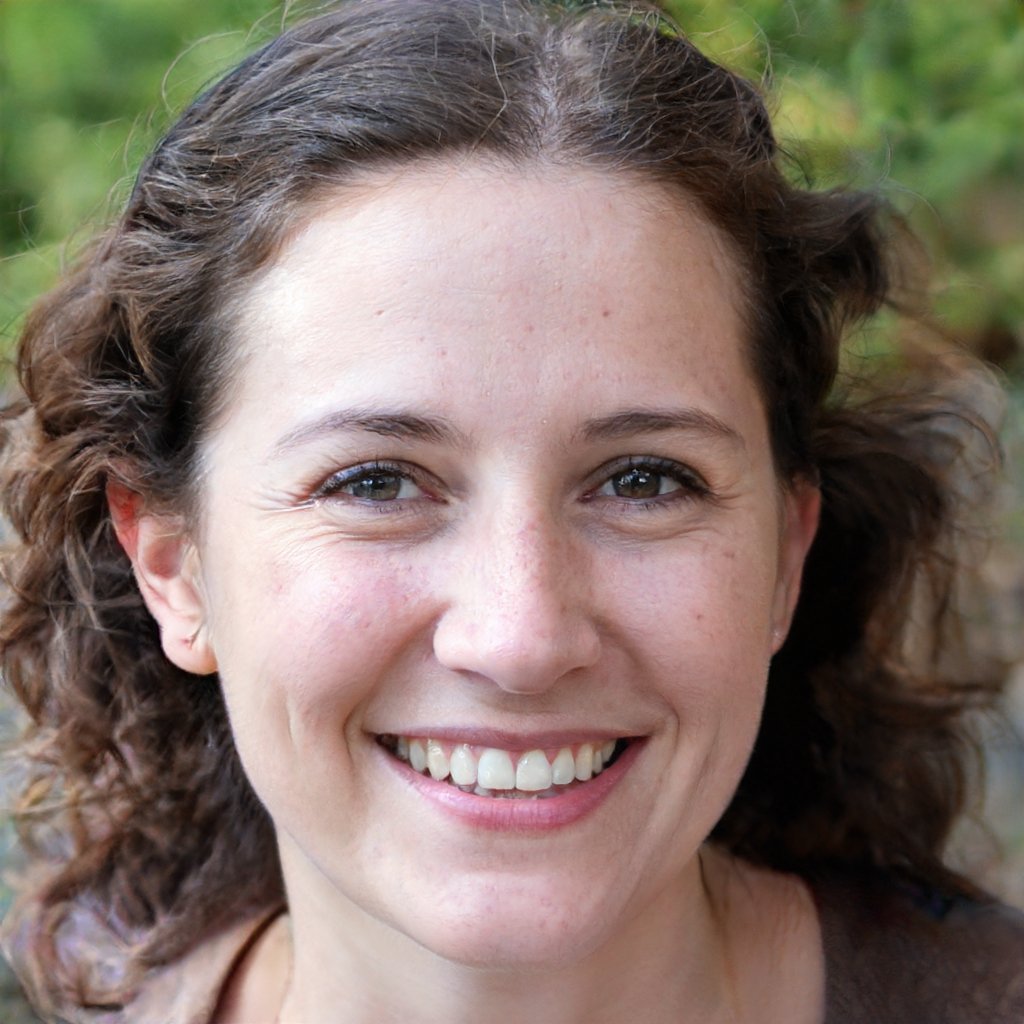
His name tag said Samuel Ortiz. He had warm hands and a quiet way of moving chairs so they didn’t scrape the floor. That matters in hospice. Every sound gets bigger there. The ice machine down the hall. The squeak of cart wheels. The dry cough you try to pretend is just a tickle in your throat.
I was 74 and stuck in Room 6 at Mercy House outside Tulsa. My daughter Brenda came after work, but Tuesdays were hard for her because she ran payroll at the lumber yard and stayed late. So Samuel came at 2.
He read from my old Bible because I told him I liked the way the pages felt thin as onion skin. He never rushed. Sometimes he just sat while I slept off the pain meds.
I thought he was kind because some people are built that way. You meet them in grocery stores or doctor’s offices, and they just have a soft spot for worn-out folks.
On the third Tuesday, he brought lemon drops because I had mentioned my mouth tasted like pennies from the prednisone. They were the cheap kind from Dollar Tree in a crinkly bag. Not gourmet. Just sharp and yellow.
I took one and cried a little, which embarrassed me to no end. I hated crying in front of strangers.
He looked away until I was done. That was kindness too. Not making a big deal out of it.
Then he set the shoebox on my floral blanket.
It was an ordinary box, brown cardboard, the kind work boots come in.
Around it was blue yarn, faded almost gray from the sun or time.
“Mrs. Whitaker,” he said, his voice very low, “may I show you something?”
I told him if it was another brochure about breathing exercises, I was going to chuck a lemon drop at his head.
He smiled, but his eyes were wet. That should have warned me right then.
Inside the box were letters. Dozens of them. Stacked neat like playing cards. Some in my handwriting from back when my hand was still smooth and didn’t shake like a dry leaf. Some had little church stickers in the corner. Some had school pictures attached with paperclips, boys with serious eyes standing beside concrete chalkboards in the sun.
My chest got tight, not from the fluid in my lungs this time.
Back in 1984, our church sponsored children through an overseas mission program. My husband Joe and I didn’t have much.
He worked second shift at the tire plant and I cleaned medical offices at night. But we sent $18 a month to a boy in Guatemala named Samuel.
I wrote him letters for seven years. I told him about Brenda losing her first tooth and Joe fixing the porch swing.
Then the program office closed after a flood, or that is what the church bulletin said. The letters stopped. Life got busy in the plain, grinding way life does. My mother got sick with her hips. Brenda got braces. Joe lost his overtime.
I thought Samuel became one more good intention that got swallowed up by time.
The man beside my bed touched the top letter with one calloused finger.
“You sent me a red sweater,” he said. “It was too hot to wear it down there, but I slept with it every night.”
I turned my face toward the window because I did not want to make a ragged noise.
The parking lot was gray asphalt with two maples losing their leaves.
He continued carefully, like he was walking across thin ice in the spring. He had come to Oklahoma for seminary years later. He became a hospice chaplain because he wanted to sit with people the way nobody sat with him when he was little. He had looked for Margaret Whitaker in Tulsa for three years.
I didn’t say anything for a long time. The ice machine buzzed down the hall.
“How did you find this place?” I finally whispered.
“Your name is uncommon,” he said simply. “And I asked at the downtown parish where the old records went.”
I thought that was the end of it. I thought that was the whole story wrapped up in a Dollar Tree bag and some faded yarn.
Three weeks later.
The Tuesday after Thanksgiving, the wind rattled the windowpanes so hard the glass hummed. Samuel wasn’t on the schedule that day, but nurse Angela came in with my afternoon pills and a manila folder she had found tucked deep inside the brown envelope of my hospital discharge paperwork.
Angela dropped the folder on my tray table. Her face was tight. She had known Joe back when he coached little league.
“Margaret,” she said, her voice dropping an octave, “did you know this was in here?”
I shook my head. I couldn’t swallow my spit, let alone talk.
She pulled out a single sheet of paper. It smelled faintly like Joe’s dresser drawer, old cedar chips and cheap Brut aftershave that he wore to weddings.
Joe had passed away eighteen months earlier, sitting right in his blue recliner with the TV remote in his hand and our fat basset hound asleep on his feet. I had found him before the coffee finished brewing in the morning.
Angela unfolded it. Joe’s handwriting was big and crooked from the arthritis in his knuckles.
Samuel wasn’t in the room, but he was standing just outside the open door, holding his Bible against his chest with both hands.
Angela read the first line out loud because my eyes wouldn’t focus.
“Maggie, if Samuel finds you before I do, tell him I kept the picture in my wallet for forty years.”
I stared at the tray table. The yellow lemon drop wrapper was still sitting there from Tuesday.
“He knew,” I whispered.
Angela looked down at the paper, her mouth set in a hard line. “Joe knew he was coming? How could he know?”
“He didn’t,” I said, and my voice sounded like dry paper scraping together. “Joe kept the last letter Samuel wrote us back in ninety-one. The one where he said he wanted to come to America someday.”
Angela stood there by the bed, holding Joe’s letter in her hand while the wind beat against the glass outside. She didn’t say another word. She just laid the paper gently across my lap, right over the blue yarn Samuel had left behind, and walked out to close the door.